
Understanding the psychology behind right vs. left

Rock bottom, the point where you feel like there’s nowhere left to go but up, is brutal but also transformative. During Army boot camp, I’d never been so physically and mentally pushed in my life. But I came out of it a completely different person. The experience broke me down but also built me back up with a sense of discipline and resilience I didn’t know I had.
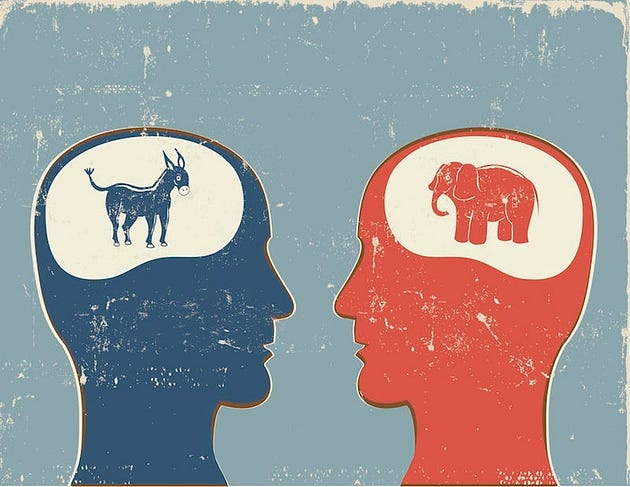
This idea of transformation through suffering lies at the heart of a deeper divide — not just political, but psychological — between the right and left. Generally, the left values freedom, equality, progress, and reform, while the right emphasizes authority, tradition, order, and duty.
But at its core, the right-left divide asks one question:
How much suffering is fair?
Why suffering matters
Think about the hardest moments in your life — losing a job, ending a relationship, or living through COVID-19. Did you grow from it? Those moments likely forced you to confront your reality in ways comfort never could.
Here’s the thing: people don’t change just because they want to. Most change happens when they’re backed into a corner, and the pain of staying the same becomes greater than the pain of doing something different.
Take someone stuck in a cycle of bad habits. They might not even realize they’re hurting themselves or others. It’s not out of malice — it’s obliviousness. Real transformation begins when something disrupts their status quo so profoundly that they have no choice but to reflect and act.
Moments of crisis are powerful catalysts for growth because they force us to ask hard questions: ‘Am I on the right path? What needs to change?’
The importance of practical education
But suffering alone isn’t enough to spark growth. It also requires action. And action comes from discipline and education.
Think about rehabilitation programs, boot camps, or even weight-loss journeys. What do they all have in common? Structure, accountability, and a focus on building habits. Traits like patience, gratitude, and responsibility are taught and take effort.
When I went to Army boot camp, I didn’t just learn how to follow orders; I learned resilience, teamwork, and how to push past my limits. Similarly, a healthy relationship challenges you to grow, whether it’s improving communication skills or learning to compromise.
Change depends on strong motivation — either the pain of staying the same or the promise of a clear reward. Without either, people often slide back into old ways.
The role of recovery and support systems
Whether you’re rebuilding after a natural disaster or overcoming addiction, growth boils down to one concept: capital.
After a hurricane, people don’t just sit around waiting for things to get better — they start fixing their homes, rebuilding piece by piece. The same principle applies to personal growth. Whether it’s learning a new skill, eliminating bad habits, or improving relationships, you’re constantly adding to or restoring your “capital.”
Take addiction recovery, for example. It’s not just about cutting out a harmful substance; it’s about building a healthier life around it — managing stress, finding new hobbies, and relying on support systems like family, friends, or structured programs.
When tragedy becomes too much
It’s important to note that not all suffering leads to growth. Sometimes, hardship is so overwhelming that people lack the physical, mental, or emotional resources to move forward.
Consider Mary, a single mother who has never had a stable job. She’s been bouncing between part-time gigs, living paycheck to paycheck. When her car breaks down, she loses what little income she has. Without savings, a support network, or even reliable transportation, how does she start rebuilding?
The idea that she should simply “bootstrap” her way out of this assumes she already has the tools to do so. But sometimes those tools were never there to begin with.
This is where the left’s perspective comes in. Sometimes, people need a leg up before they can even think about growth.
For instance, a person struggling with substance abuse might not be able to attend therapy without affordable treatment centers or community support. They’re not just battling addiction — they’re fighting a system that leaves them without resources to recover.
Unchecked suffering can trap people in cycles of despair, highlighting the need for a balance between support and challenge.
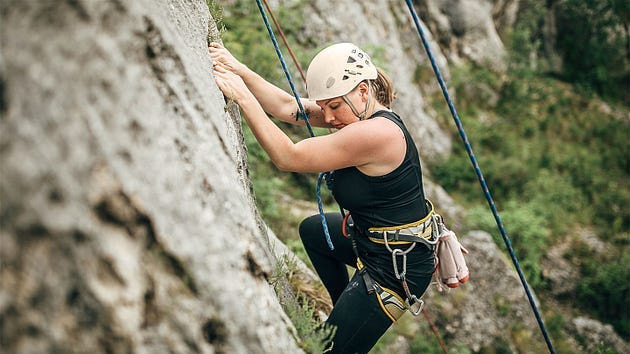
Lasting transformation often follows these 3 key steps:
A Paradigm Shift — Something happens that shakes you to your core and forces you to rethink your life.
Education and Skills Development — You learn the tools you need to move forward, whether that’s communication, discipline, or self-awareness.
Support and Recovery Capital — You build a network and resources to keep growing and avoid backsliding.
This is where welfare systems become controversial. While essential as safety nets, critics argue that poorly designed systems might shield people from the suffering necessary to trigger change.
Two fair perspectives
Here’s where the psychology of the right and left comes into play.
The Right: Suffering builds character. It’s a test of discipline, resilience, and the human spirit. Without hardship, people won’t grow.
The Left: Sometimes, suffering is too overwhelming to tackle alone. Without access to resources, people can’t take the first steps toward change.
Neither perspective is inherently right or wrong. Growth requires a balance of both: enough support to keep people afloat but enough challenge to push them to grow.
Can we create systems that honor resilience while offering compassion?
By understanding these dynamics, we can approach societal development with more empathy — and maybe find a way to bridge the divide.